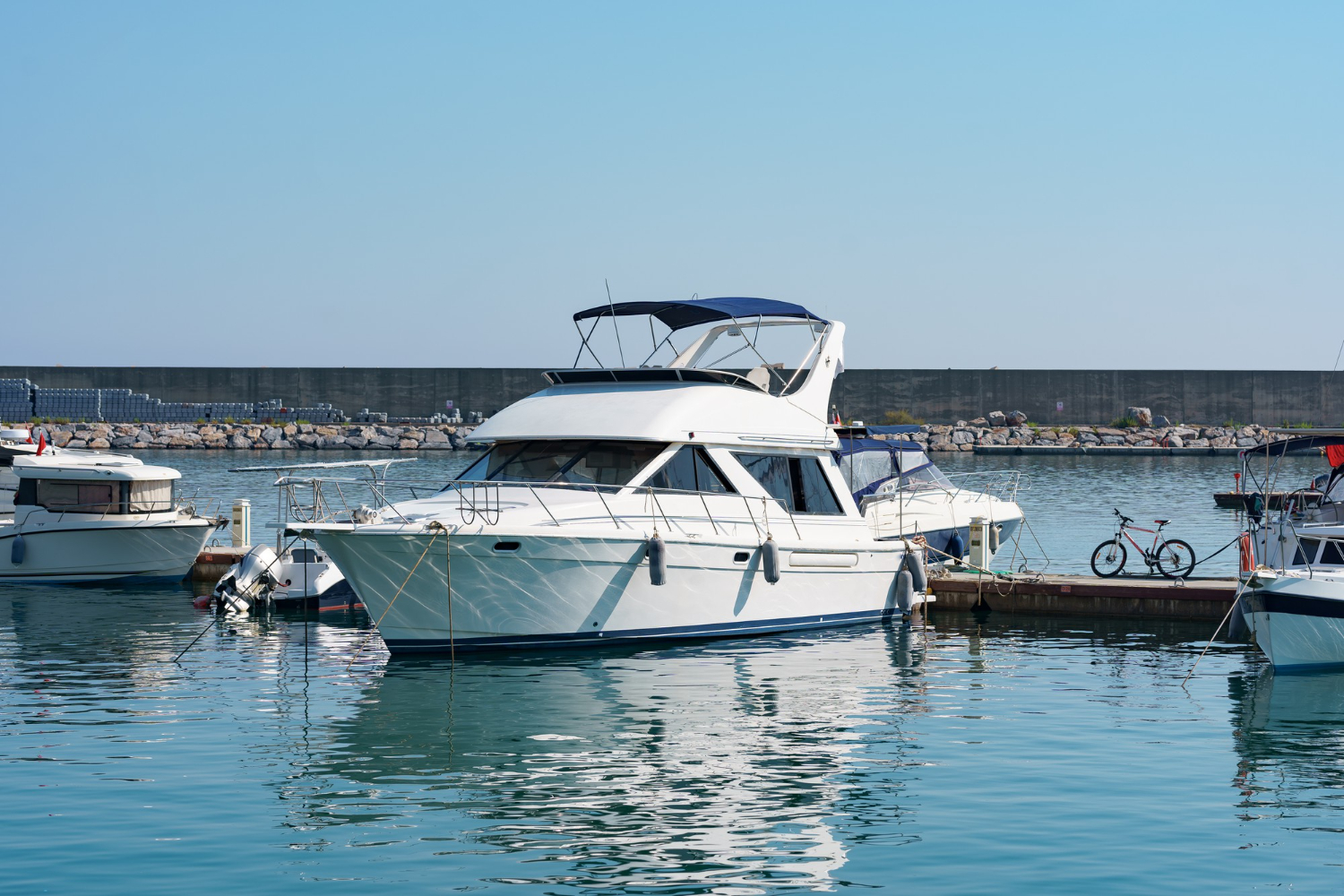
Marine carpentry is a traditional craft that spans centuries and continues to be a fundamental pillar of the maritime industry today. The woodwork used in ship construction, repair, and restoration requires professionalism and precision, representing a specialized field of expertise. How has marine carpentry evolved in the modern maritime world? Let’s explore this topic in detail.
What is Marine Carpentry?
Marine carpentry refers to the woodworking involved in the construction, repair, and restoration of ships and marine vessels. From classic sailing ships to modern yachts and fishing boats, the marks of marine carpentry can be found in virtually every vessel used at sea. Using wood and techniques capable of withstanding extreme conditions such as saltwater, wind, and waves, these works are critical to the structural integrity and longevity of marine vessels.
Woods Used in Marine Carpentry
The success of marine carpentry depends on proper wood selection. Hard woods such as teak, oak, pine, and mahogany display high resistance in marine environments. These woods are naturally resistant to salt corrosion and water damage. Modern marine carpenters, alongside traditional woods, also use wood preservatives and water-repellent varnishes to extend the lifespan of the wood.
Steps in the Marine Carpentry Process
1. Design and Planning: Ship repair or construction begins with detailed design and measurements. The marine carpenter collaborates with architects and engineers to plan the work to be done.
2. Material Selection and Preparation: The highest quality woods are selected and prepared by controlling moisture content. Warped or damaged wood is separated and discarded.
3. Cutting and Shaping: Wood is cut and shaped according to design specifications. Modern CNC machines, used alongside traditional tools, provide precision craftsmanship.
4. Assembly and Joining: Wood pieces are joined using doweling, nailed connections, or adhesives. Each connection point is designed to maximize strength and durability.
5. Finishing Treatments: Completed wood pieces have rough surfaces smoothed, and varnishes and water-repellent substances are applied. This stage is vital for the wood’s longevity.
6. Installation and Integration: Prepared wooden sections are placed in the ship’s structure or marine vessel and necessary adjustments are made.
Characteristics of Modern Marine Carpentry
Today, marine carpentry represents a blend of traditional techniques with modern technology. Computer-aided design (CAD), CNC cutting machines, and digital measurement systems have increased the precision and efficiency of craftsmanship. Additionally, new wood treatment technologies and environmentally friendly varnishes ensure the durability and sustainability of marine vessels.
The Importance of Restoration
The restoration of classic ships and historic sailing vessels is one of the most prestigious areas of marine carpentry. In these works, original techniques are preserved while maintaining necessary safety standards. The preservation of maritime heritage depends on the skills of experienced marine carpenters.
Conclusion
Marine carpentry is a discipline that combines the beauty of the sea with the art of craftsmanship. The expertise of professional marine carpenters is indispensable for the safety, durability, and aesthetic value of marine vessels. By enriching traditional techniques with modern technology, this craft continues to be passed on to new generations.